
Hunter Pyle | July 31, 2026
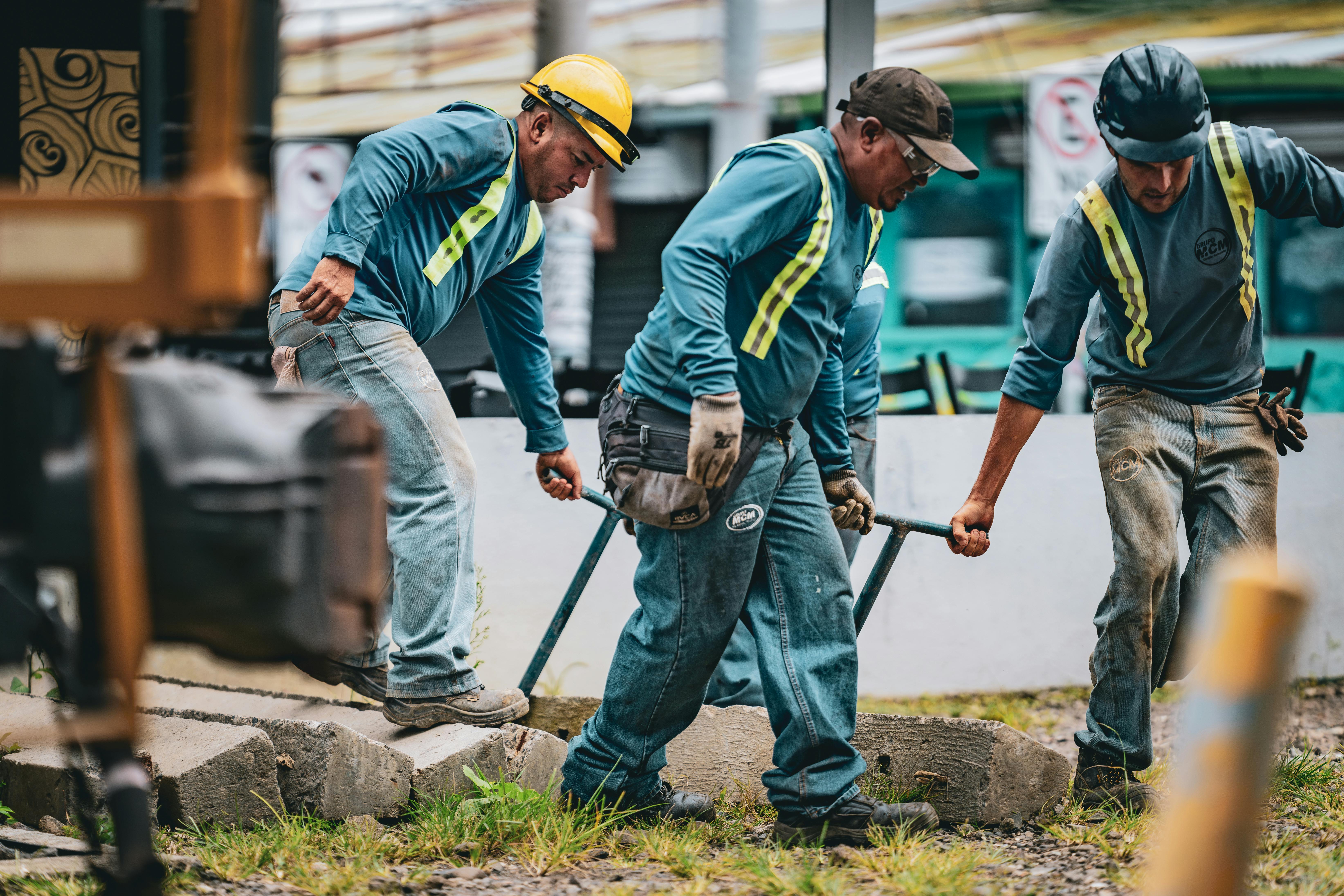
California has a massive number of undocumented workers, with estimates ranging from around two to three million people (out of a total workforce of around 19 million people). These workers perform critical services across many sectors, including agriculture, construction, and hospitality. They are often subjected to some of the worst working conditions and abuses imaginable.
California also has some of the strongest worker protection laws in the United States. Workers can employ these laws in court to ensure that they are free from unlawful harassment, discrimination, and retaliation for engaging in protected activity. They can also use these laws to recover wages that they have earned but not been paid.
Part one of this blog post addressed the question of whether undocumented workers are covered by California employment and wage and hour law. This question is important because if the answer is no, then employers will be incentivized to hire undocumented workers whom they can treat unlawfully with impunity.
Part two addresses the equally important question of whether employers can use the discovery process in litigation to determine whether the worker bringing the case is documented or not, because, if the answer is yes, then the risk of bringing such cases will be too high for many undocumented workers to take. The Impact of SB 1818 on Discovery in Litigation
Another issue that arises in the context of undocumented workers is whether an employer can use the discovery process in a lawsuit to garner information regarding the plaintiff’s immigration status. That process allows the litigants in an action to pose questions and request documents pertaining to the case. The resolution of this issue is important because if the answer is yes, then undocumented workers will rarely bring such claims.
As noted above, California Labor Code section 1171.5(b) provides in part that “a person’s immigration status is irrelevant to the issue of liability, and in proceedings or discovery undertaken to enforce those state laws no inquiry shall be permitted into a person’s immigration status unless the person seeking to make this inquiry has shown by clear and convincing evidence that the inquiry is necessary in order to comply with federal immigration law.”
The California Court of Appeal considered the scope of Section 1171.5(b) in Manuel v. Superior Court of Santa Clara County (2022) 82 Cal.App.5th 719, 723. In that case, the plaintiff, who had injured his back at work, sued his employer, BrightView Landscape Services, Inc. (BrightView), after BrightView told him not to return to work. Brightview then sought to compel the plaintiff to provide discovery responses showing that he was legally authorized to work in the United States. The trial court agreed with BrightView, and the plaintiff filed a writ seeking appellate review.
The Court of Appeal reversed the trial court, holding that Section 1171.5(b) barred the discovery that BrightView sought regarding the plaintiff’s immigration status. The court noted that BrightView had not shown that the plaintiff was seeking either reinstatement or backpay for the time period after BrightView had discovered the plaintiff’s true immigration status.
Accordingly, BrightView was not permitted to propound discovery inquiring into the plaintiff’s immigration status absent clear and convincing evidence that the plaintiff was seeking “remedies for wrongful termination in violation of federal immigration law. Conclusion
California law provides that an employer may not inquire about a person’s immigration status by way of discovery in litigation unless it has shown by clear and convincing evidence that the inquiry is necessary in order to comply with federal immigration law. This common-sense rule protects and promotes the public policies embodied in California’s discrimination and wage and hour laws.